THANK YOU FOR SUBSCRIBING
Weekly Brief
Be first to read the latest tech news, Industry Leader's Insights, and CIO interviews of medium and large enterprises exclusively from Healthcare Tech Outlook

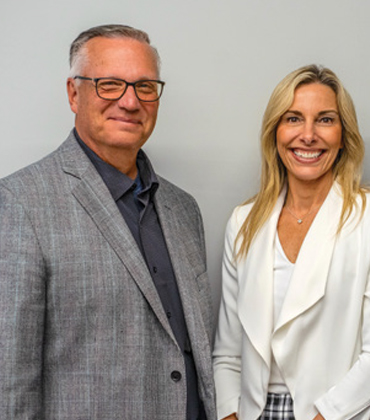 Rich Glaim, Co-Founder and Tamara Bazar, Co-Founder and Managing Partner, Cardiac RMS
Remote cardiac monitoring has pushed clinics beyond traditional workflows, as a growing volume of patient transmissions and chronic care interactions must be reviewed and acted on between office visits. Managing this continuous inflow and identifying clinically significant events is unsustainable for care teams alone, requiring specialized cardiology expertise for accurate interpretation and timely response.
Cardiac RMS was built to meet this demand, operating as a clinician-led remote monitoring partner for cardiac and chronic care patients. At its core is a clinician-led model grounded in patient-first reliability, where deep cardiology expertise guides the assessment of each transmission and identifies events that require clinical attention. Automation and AI support this process by streamlining routine tasks, enabling clinicians to focus on critical decision-making and patient care.
“AI is an important efficiency tool, but our clinical expertise is what every partner relies on to determine the clinical significance of each patient event,” says Tamara Bazar, co-founder and managing partner.
The model extends beyond implantable cardiac device monitoring to include remote physiologic monitoring, chronic care management, and engagement services, supporting diverse patient populations while streamlining clinic workflows. It strengthens the operational and clinical processes around patients while remaining under the care of their respective clinics.
How does a clinician-led workflow ensure accurate interpretation and timely response to patient data?
Cardiac RMS was founded to assist with CIED remote monitoring. In practice, patient data from implantable cardiac devices, including pacemakers, defibrillators, and loop recorders, is transmitted and reviewed by trained clinicians who assess each event for relevance. A structured operational workflow underpins this process, in which incoming patient data flows through clinician review, triage, prioritization, communication with partner clinics, and timely clinical action, followed by documentation in the care record.
To support industry-leading results, the company maintains high-touch, human-led engagement that sustains a 97 percent connectivity rate across partnerships. It incorporates engagement specialists trained by social workers to ensure patients remain connected, informed, and compliant with their care. This level of consistency strengthens clinical oversight, facilitates accurate documentation, and aligns with Medicare requirements, with billing success exceeding 90 percent of CMS-allowable amounts.
Many clinics partnered with Cardiac RMS report over a 56 percent reduction in staff workload, as Cardiac RMS assumes responsibility for reviewing transmissions and identifying clinically relevant events. While some clinics handle transmission review in-house, they partner with Cardiac RMS to reconnect patients and maintain long-term compliance.
-
AI is an important efficiency tool, but our clinical expertise is what every partner relies on to determine the clinical significance of each patient event.
Many clinics partnered with Cardiac RMS report over a 56 percent reduction in staff workload, as Cardiac RMS assumes responsibility for reviewing transmissions and identifying clinically relevant events. While some clinics handle transmission review in-house, they partner with Cardiac RMS to reconnect patients and maintain long-term compliance.
Why is remote monitoring critical for maintaining continuity of care during disruptions like pandemics?
During the pandemic, a major hospital network without a remote monitoring program struggled to support patients as in-person visits became impossible. In response, Cardiac RMS established a fully operational remote monitoring model that coordinated patient transmissions, clinician review, and follow-up workflows outside the traditional clinical setting. Within a year, more than 1,000 patients were reconnected to care. Early in the program, a life-threatening complication was identified through this monitoring process, enabling timely intervention and saving a patient’s life. The network has since maintained a six-year partnership, reflecting the model's reliability in real-world care.
In what way does the model extend beyond cardiology into broader chronic care management?
Building on its cardiology foundation, the company is extending this model to include RPM, PCM, and CCM into broader chronic care areas, including remote heart failure and hypertension programs. The same principles of continuous monitoring, clinician-led evaluation, and structured engagement enable expansion into internal medicine, renal care, and diabetes management while maintaining clinical rigor. As healthcare shifts toward integrated, value-based care models, this approach enables clinics to manage multiple patient needs through a unified system.
Cardiac RMS is also exploring AI applications to enhance the efficiency of remote monitoring further. While AI continues to evolve, the company maintains a human-in-the-loop model, ensuring that technology supports rather than replaces the clinical judgment required for safe and effective care.
By combining cardiology expertise with structured workflows, patient engagement, and enabling technology, Cardiac RMS enables clinics to manage growing data volumes, reduce operational strain, and deliver timely, informed care. This effort positions the company as a Top Cardiac Remote Monitoring Solution, demonstrating how cardiac-first reliability can scale across modern healthcare.
Advancing Reliability in Cardiac Remote Monitoring
Cardiac remote monitoring has moved from a supplemental service to a core component of modern cardiovascular care, driven by rising chronic disease burdens, increasing device adoption and shifting reimbursement models. Health systems now face a dual pressure: maintaining clinical accuracy while managing the growing volume of patient-generated data outside traditional care settings. The strain is not only technical but human, as clinical teams must interpret continuous streams of transmissions, ensure patient adherence and maintain meaningful engagement beyond the clinic.
The central challenge lies in distinguishing signal from noise without compromising clinical judgment. Large volumes of device transmissions and physiologic data can overwhelm internal teams, leading to delays in identifying actionable events. Technology offers efficiency gains, yet its role remains bounded by regulatory and clinical realities. Systems that rely too heavily on automation risk introducing blind spots, particularly when decision-making cannot be fully delegated to unapproved tools. Sustainable models therefore balance automation for routine consolidation with clinician-led interpretation, ensuring that significance is assigned by those trained to recognize subtle but critical changes.
Equally important is the ability to extend care continuity between visits. Remote monitoring succeeds when patient connectivity and adherence are sustained over time, not merely initiated. Many programs struggle here, as maintaining consistent patient participation requires more than device deployment. It depends on structured outreach, behavioral reinforcement and an understanding of patient context. Organizations that integrate human engagement into their monitoring workflows tend to achieve stronger compliance, enabling a more complete clinical picture and reducing the risk of missed events.
Operational efficiency emerges as another defining factor. Clinics often face backlogs, fragmented workflows and underutilized data within electronic health records. Effective remote monitoring programs reduce administrative burden while improving access to longitudinal patient data. When clinicians can view trends over weeks or months rather than isolated readings, consultations become more informed and focused. This shift not only improves care delivery but also allows practices to capture appropriate reimbursement aligned with documented activity and compliance standards.
Adaptability across care models further distinguishes mature solutions. Cardiac monitoring increasingly intersects with broader chronic care management, including hypertension, heart failure and transitional care. Systems that can integrate these pathways into a unified approach reduce fragmentation and support a more holistic view of patient health. Alignment with evolving reimbursement frameworks, particularly the transition toward value-based care, also requires partners that understand both clinical and financial dimensions of remote services.
Cardiac RMS reflects these priorities through a model grounded in cardiology expertise and clinician-led workflows. It automates routine tasks to streamline workflows while retaining human oversight for clinical decision-making, addressing both efficiency and safety concerns. Its engagement-driven approach sustains high patient connectivity, supported by dedicated teams focused on relationship-based outreach. The impact is measurable in reduced staff burden, improved continuity of care, and strong compliance with reimbursement standards. It extends its capabilities beyond device monitoring into chronic and transitional care, offering practices a unified pathway for remote patient management. Its consultative onboarding aligns services with each clinic’s workflow, enabling scalable and durable partnerships.
...Read more
Cardiac RMS
Viewpoints
Remote Monitoring Is No Longer a Technology Program: It Is a Care-Delivery Strategy
Tamara Bazar, Co-Founder and Managing Partner
Technology should support clinical expertise and human connection, not replace them.

Company
Cardiac RMS
Management
Rich Glaim, Co-Founder and Tamara Bazar, Co-Founder and Managing Partner, Cardiac RMS
Description
Cardiac RMS delivers comprehensive remote monitoring and virtual care support for patients by partnering with cardiology practices and health systems. It combines advanced RPM technology with highly trained clinicians to improve care quality, streamline workflows, enhance compliance, and optimize clinic efficiency and patient outcomes nationwide.