THANK YOU FOR SUBSCRIBING
Weekly Brief
Be first to read the latest tech news, Industry Leader's Insights, and CIO interviews of medium and large enterprises exclusively from Healthcare Tech Outlook
A featured contribution from Leadership Perspectives: a curated forum reserved for leaders nominated by our subscribers and vetted by our Healthcare Tech Outlook Advisory Board.

ThriveMore
Building a Culture of Quality and Safety in Senior Care: Moving Beyond Compliance to Continuous Improvement
Building Quality into Everyday Care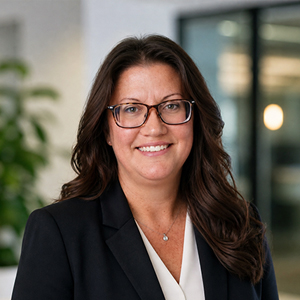
Shannon Sears
Senior care organizations can successfully move beyond regulatory compliance when quality and safety become part of daily decision-making rather than activities driven by surveys or citations. Strong, sustainable cultures are built when organizations integrate clinical quality, risk management, education, and operations into a unified approach focused on resident outcomes.
Leaders should utilize data from incidents, grievances, quality measures, audits, and resident feedback to identify risks, drive improvement, and measure effectiveness. Equally important, frontline staff must feel empowered to report concerns, share ideas, and participate in solutions without fear of blame. This culture of learning and accountability also gives leaders a foundation for continuous improvement, helping them maintain high standards of resident care and safety as needs and risks evolve.
Leaders foster continuous improvement by establishing a culture of clinical excellence supported by strong governance, data-driven decision-making and proactive risk management. High-performing organizations routinely evaluate quality measures, adverse event trends, resident feedback, regulatory findings, and operational risks to identify opportunities for improvement before resident care is impacted.
Continuous improvement is most effective when education, competency development, policy oversight, and quality initiatives are aligned with organizational priorities and measurable outcomes. Equally important is creating an environment that promotes transparency, accountability, and psychological safety, allowing concerns to be escalated and addressed constructively. By integrating quality, safety, and risk management into strategic decision-making, leaders can sustain high standards of care while developing resilient systems that support ongoing organizational excellence.
Engaging Frontline Teams and Building Resilient Systems
Frontline teams are essential to building a culture of accountability, learning, and continuous quality improvement because they are closest to resident care and often the first to recognize emerging risks and opportunities for improvement. Yet, they are often overlooked when organizations seek to build a culture of accountability. Effective leaders engage them in root cause analyses, quality improvement projects, policy reviews, clinical councils, and interdisciplinary problem-solving efforts.
Frontline teams should be encouraged to report concerns, near-misses, and process gaps, while leadership demonstrates that their feedback leads to meaningful action and measurable change. Regular review of quality metrics, resident outcomes, and safety trends at the local level helps teams understand their impact and take ownership of results. When organizations actively seek frontline input, recognize contributions, and invest in ongoing education and competency development, accountability becomes shared, learning becomes continuous, and quality improvement becomes embedded in the culture.
These frontline insights also provide a foundation for how senior care organizations can respond to emerging trends in quality, safety, and risk management.
Several trends have the potential to significantly influence the field. Chief among them is the integration of quality, patient safety, risk management, compliance, and clinical operations into a unified governance framework. Organizations that successfully break down silos and view these functions collectively are better positioned to identify systemic risks, strengthen oversight, and align improvement efforts with strategic priorities. The growing use of AI, data analytics, and predictive risk identification is also enabling providers to shift from reactive problem-solving to proactive intervention.
“Senior care sees lasting success when quality, safety, and risk management become shared responsibilities woven into everyday care.”
At the same time, person-directed care models, particularly in dementia care, continue to demonstrate that quality outcomes and resident quality of life can be improved simultaneously. Finally, organizations that prioritize workforce development, competency-based education, and leadership succession planning will be better equipped to sustain clinical excellence and navigate an increasingly complex healthcare environment, particularly as fewer individuals enter the senior care workforce. For executive leaders, the common thread across all these trends is the need to build resilient systems that anticipate risk, support informed decision-making, and drive continuous improvement.
Making Quality and Safety a Shared Responsibility
Strong quality and safety outcomes are rarely the result of isolated initiatives; they are the product of intentional systems, engaged leadership, and a culture committed to continuous learning.
My advice to healthcare leaders is to focus on building systems, not programs. Sustainable improvement occurs when organizations establish clear governance, define accountability, measure meaningful outcomes, and align education, operations, and risk management around resident-centered goals.
Leaders should foster transparency, encourage proactive identification of risks, and use quality data, safety trends, resident feedback, and operational insights to drive informed decision-making. Most importantly, organizations must never lose sight of the individual behind every quality measure or risk indicator. Ultimately, the organizations that achieve lasting success are those that move beyond a mindset of compliance and embrace a mindset of excellence, where quality, safety, and risk management are not separate functions, but shared responsibilities woven into the fabric of everyday care.
The articles from these contributors are based on their personal expertise and viewpoints, and do not necessarily reflect the opinions of their employers or affiliated organizations.