THANK YOU FOR SUBSCRIBING
Weekly Brief
Be first to read the latest tech news, Industry Leader's Insights, and CIO interviews of medium and large enterprises exclusively from Healthcare Tech Outlook
A featured contribution from Leadership Perspectives: a curated forum reserved for leaders nominated by our subscribers and vetted by our Healthcare Tech Outlook Advisory Board.

Director of Virtual Care at Centura Health
Telehealth is a Powerful Tool for Achieving Health Equity
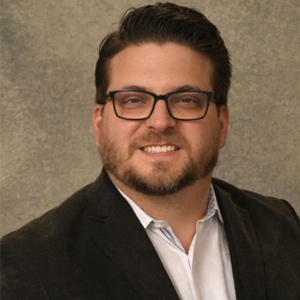
Gerard Frunzi
The largest opportunity for the healthcare industry is leveraging telehealth to address inequitable access to healthcare. The CDC defines “Health equity as the state in which everyone has a fair and just opportunity to attain their highest level of health.” This article highlights the opportunities to promote health equity and address disparities in healthcare delivery. Organizations led by forward-thinking providers and leaders are how we address healthcare equity in the U.S.
Telemedicine has been around for well over half a century. The term was coined in the 1970s, yet there are documented telemedicine cases even back to 1959 at the University of Nebraska. The Corona Virus pandemic thrust telemedicine into most patients’ lives, making it a household name as the best way to see caregivers in early 2020. Since then, the industry has settled on its new normal with patient and provider expectations around healthcare from a distance.
Telehealth can do many things when it comes to addressing health equity. When evaluating factors for social determinants of health, telehealth can help with some and is limited by others. It bridges socioeconomic gaps, overcomes geographic barriers, expands access to underserved communities and individuals with disabilities, addresses language and cultural barriers, and is customizable to provide most types of care over video conferencing. Telehealth is limited by internet broadband ability and the cost of the technology at the patient site. These tenants of addressing health equity should be top of mind during the development of any new service offering.
Not everyone has a smartphone or home internet. Around 19 million Americans lack broadband access at their home. Telephonic care is acceptable and works in many scenarios; it has not been well adopted as a tool for patient care due to the very poor support it has from private and government insurance. There are easy to implement solutions to address this issue. The expansion of coverage for telehealth has allowed patients to go to a local library, a local Regional Accountable Entity (RAE), or even a county public health clinic to be the host of a telemedicine visit. This is most often seen for those specialty care clinic visits that are centralized away from rural communities. There are billions of federal grant dollars over the next decade meant to have broadband access available to all homes by 2030. There are programs that help those with financial needs pay for a smartphone and data plan. As all this work progresses, we will find the industry changes to better take care of patients and community needs using video conferencing on broadband internet.
‘The Patient Will See You Now’ by Eric Topol MD is a terrific book highlighting the new mindset for the healthcare community. Changes in the healthcare toolset and workflow processes will help address shortfalls in our industry. Interpretation in healthcare has advanced to the level that all video products should be able to provide language support for patients. Video conferencing can also be done culturally aware, making training and supportive resource at the provider's fingertips.
"Telehealth is accomplished by; bridging socioeconomic gaps, overcoming geographic barriers, expanding to underserved communities and those with disabilities, being culturally sensitive in practice and with language interpretation, and customizing your process to the type of service being provided"
Addressing socioeconomic inequality, telehealth has the potential to bridge significant gaps by making healthcare more affordable and accessible. With healthcare often being centralized at metropolitan hospitals and large care centers, patients in need of care often must take time off work and away from children's school to get the care they need. Patients can remotely connect with healthcare providers, eliminating the need for in-person visits, which can be costly due to travel expenses and lost wages.
Telehealth to the home is the definition of addressing access to healthcare. Disabled and underserved communities without close-by or easily accessible healthcare facilities are a significant access issue. Approximately 97 percent of America’s land area is considered rural. One in five residents (approximately 60 million people) lives in rural space. People on at-home respirators are a great example of how telemedicine can thrive. Especially during the winter months, patients even close to their healthcare facility have tremendous issues traveling to see their provider. This is expounded the further away from a healthcare facility they live. The only real barrier now is the motivation and leadership in the healthcare industry to commit to supporting areas of the United States that do not have other options.
Providers and care centers that are flexible in their telemedicine process can deliver the best quality care. All types of specialty care, including traditional hands-on service lines, are very capable of having high quality telehealth offerings as a part of their process. Orthopedics is a great example where post-operation check-ins are often very quick discussions with no touching necessary when the patient is doing as expected. Offering telemedicine is a great satisfier for both the patient and the provider to efficiently perform quality follow-up care post-surgery. Mental health remains the healthcare service line that has adopted telehealth the most. Increasing organizational knowledge and learned workflow using embedded systems should be the top priority for telehealth programs.
Telehealth is transformative in creating equitable healthcare. This is accomplished by; bridging socioeconomic gaps, overcoming geographic barriers, expanding to underserved communities and those with disabilities, being culturally sensitive in practice and with language interpretation, and customizing your process to the type of service being provided. Strong advocate leaders making bold strategic investments in the future leveraging proven technologies is how it will get accomplished.
The articles from these contributors are based on their personal expertise and viewpoints, and do not necessarily reflect the opinions of their employers or affiliated organizations.