THANK YOU FOR SUBSCRIBING
Weekly Brief
Be first to read the latest tech news, Industry Leader's Insights, and CIO interviews of medium and large enterprises exclusively from Healthcare Tech Outlook
A featured contribution from Leadership Perspectives: a curated forum reserved for leaders nominated by our subscribers and vetted by our Healthcare Tech Outlook Advisory Board.

PM Pediatric Care
Transitioning To Integrated Pediatric Care
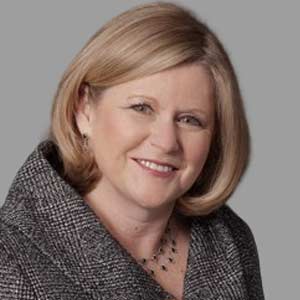
Dr. Jeanne Marconi
Dr. Jeanne Marconi, the vice president of clinical Integration and School Health at PM Pediatric Care, is one of the pioneers in pediatric medicine and an inspiration for visionary leadership. With over two decades of experience, she is renowned for her innovative approach to clinical services integration, which focuses on patient-centric care models that prioritize holistic well-being. Her expertise lies in leveraging technology to streamline healthcare delivery while maintaining personalized patient experiences. Marconi leads initiatives fostering collaboration among multidisciplinary teams, driving innovation in pediatric healthcare. Driven by compassion and a commitment to excellence, she has played a pivotal role in establishing PM Pediatric Care’s reputation as an innovator in pediatric clinical integration, ensuring every child receives optimal care.
How did your journey at PM Pediatric Care unfold?
When I moved from my private practice to take on a leadership position at PM Pediatric Care, a national pediatric urgent care provider, I noticed a growing demand for behavioral health services. The increasing need for mental health support was highlighted by the COVID-19 pandemic. We promptly enhanced our mental health resources and undertook a holistic approach to establish a seamless referral system among physicians, patients, and institutions.
PM Pediatric Care is committed to fostering integrated care models for reducing fragmentation in healthcare, improving compliance, and enhancing the quality of care. It is dedicated to providing comprehensive urgent and behavioral health care to children and young adults through age 26, supporting the medical home and pediatricians in the delivery of accessible, high-quality care. Expanding services in schools will lead to improved attendance and better access for students unable to get the care they need, and research shows there is a decreased stigma in getting care at school.
What are some of the major challenges you have encountered, and describe your strategies for addressing them?
Children and young adults spend most of their time at school. Schools are overwhelmed due to teacher attrition, budget reductions, increased need of students for mental and behavioral health services, and the need to find ways to collaborate within their communities for support. There are significant gaps in education among providers, parents, and educators. There continues to be a stigma from everyone about accessing services for mental health. Traditional medical education minimally covers mental health, while parents and schools lack training in early identification. PM Pediatric Care combats stigma with innovative programs, including a layered telehealth model, enhancing accessibility and support in pediatric care.
"The foundation for improving pediatric healthcare is the dedication to integrated, patient-centered care"
At the foundational level, we prioritize preventive measures, regular screenings, and tailored educational programs for school staff. This equips them with the knowledge to support student well-being effectively. We also offer individualized sessions for students, complemented by coaching for parents to foster a supportive home environment. In cases of crisis, timely consultations and strategies are provided to avoid unnecessary emergency room visits. Lastly, comprehensive assessments and support are ensured for students requiring specialized psychiatric evaluations for educational purposes.
This structured method ensures meeting diverse mental health requirements within the educational environment. Our outcomes demonstrate that less than five percent of referred students end up in the emergency room, aligning with research indicating that the majority of these cases do not warrant emergency care. By avoiding unnecessary traumatic ER experiences and improving access to care, we enhance quality and reduce costs.
What developments have you been part of during your medical career?
Currently, I am focusing on integrating behavioral health services with educational settings. As addressing mental health support and educational gaps becomes critical, our team at PM Pediatric Care developed innovative programs to enhance mental health resources and provide targeted education and support to healthcare providers, parents, and schools. In collaboration with pediatric specialists, we designed an extensive telehealth and on-site program focused on behavioral health, drawing inspiration from the University of Washington’s renowned collaborative care model. This approach integrates therapy and medication management overseen by child and adolescent psychiatrists in close collaboration with the primary healthcare center. At PM Pediatric Care, we also introduced an innovative initiative to address parents’ concerns about their own and their children’s well-being while they are at work.
Introducing a behavioral health model within schools helps in offering students accessible mental and physical health care within their primary daily environment. Our approach to partnerships respects the unique needs of each school district, emphasizing flexibility, excellence in service, and outcome tracking. We believe in supplementing the existing school counseling services instead of replacing them with therapeutic interventions to enhance social-emotional learning initiatives. Through coordinated efforts, we want to improve the mental well-being of both students and educators, fostering a collaborative relationship between healthcare providers and educational institutions.
What would be your piece of advice for your fellow peers and aspiring professionals in the industry?
Aspiring professionals should focus on bridging educational gaps in mental health, advocating for comprehensive care models, and forging collaborative networks with academic institutions. It is critical to emphasize the value of outcome measurement and to make adjustments for the various demands of the community. Healthcare professionals can guarantee that every kid receives the finest care possible by prioritizing these areas, which will also set the bar for quality and innovation in the industry. The foundation for improving pediatric healthcare is the dedication to integrated, patientcentered care.
The articles from these contributors are based on their personal expertise and viewpoints, and do not necessarily reflect the opinions of their employers or affiliated organizations.