


THANK YOU FOR SUBSCRIBING
Weekly Brief
Be first to read the latest tech news, Industry Leader's Insights, and CIO interviews of medium and large enterprises exclusively from Healthcare Tech Outlook
A featured contribution from Leadership Perspectives: a curated forum reserved for leaders nominated by our subscribers and vetted by our Healthcare Tech Outlook Advisory Board.

Oklahoma Heart Hospital
Developing Leaders through Mentorship and Experience
Developing Clinical Judgment through Mentorship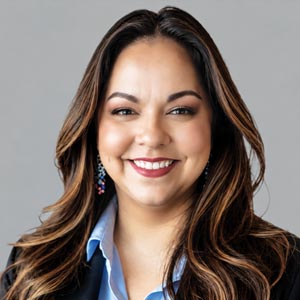
Dena Phillips
Mentorship has shaped my leadership in ways that extend far beyond learning the technical aspects of pharmacy practice. The mentors who had the greatest impact on me were the ones who offered a good balance between showing grace and holding me accountable. Great mentors challenge us, encourage us to take on opportunities before we’re completely ready, and are willing to have difficult conversations with us when needed.
An example that comes to mind occurred during my residency. I counseled a pregnant patient who was prescribed a new medication to treat diabetes. The medication was contraindicated in pregnancy, and my goal was to make sure she understood the potential risks.
A few days later, my residency director called me into his office after receiving a complaint from the physician. Apparently, after our counseling session, the patient contacted the physician and refused to take the medication. The physician was understandably upset. My director defended my position to the physician, but privately, he challenged me to think more broadly about the situation.
He pointed out the difference between theoretical risk during pregnancy and the well-established complications that can result from uncontrolled blood glucose during pregnancy. He taught me that good clinical judgment requires us to look beyond a single piece of clinical information and consider the big picture.
This illustrates why mentors are so instrumental in shaping our practice philosophies. The interaction gave me the confidence of knowing he had my back, while still giving me the perspective I needed to grow. Mentors don't simply teach us facts or show us how to perform a task. The best mentors teach us how to think.
Building the Skills behind Effective Leadership
I would say the most important leadership skills are self-awareness, curiosity, integrity, emotional intelligence, humility, adaptability, and courage. Being an excellent pharmacist doesn’t automatically make someone an excellent leader. Leadership requires a different skill set.
A pharmacist may have exceptional clinical knowledge, but if they cannot communicate effectively, navigate difficult relationships, adapt, or understand how their actions affect others, they will struggle to lead effectively.
“Mentors don't simply teach us facts or show us how to perform a task. The best mentors teach us how to think.”
One of my mentors says, “The good news is leadership skills can be learned.” He believes that very few of us are natural-born leaders. Be intentional about developing your leadership skills alongside clinical expertise. Seek out opportunities to lead, have difficult conversations, receive feedback, and stretch yourself beyond what feels comfortable.
Investing in the People behind the Work
One thing I wish I’d discovered earlier in my leadership journey is that people don't necessarily need the same things from their leader that I would want from a leader.
Early in my career, I assumed that leadership was a one-size-fits-all endeavor. But people have different motivations, communication styles, experiences, strengths, and needs. What works for one person may miss the mark entirely for another.
I also wish I had understood sooner that relationships are not separate from the work. They are the work. You cannot build trust in the middle of a crisis. Strong professional relationships are developed over time through consistency, credibility, transparency, and genuine interest in others. People are your most valuable resource. They are the ones who ultimately care for the patients and move the organization forward. Investing in your people is always the right thing to do.
Giving Emerging Leaders Room to Lead
Early-career pharmacists should have opportunities to participate in strategic planning and situations with appropriate support. Let them lead a project, facilitate a meeting, present to senior leadership, and let them make some high-stakes decisions in an environment where consequences are manageable so they can learn from their mistakes.
I also think experienced leaders should be more transparent about what leadership actually looks like. We should talk openly about organizational politics, burnout, failure, and the reality that leadership can sometimes be lonely. Create safe environments where pharmacists can develop a leadership style of their own.
Building Leadership through Initiative and Curiosity
Focus less on obtaining a leadership title and more on becoming a person other people want to follow.
Seek opportunities to lead before you are in a leadership position. Volunteer for projects. Learn to communicate with people who don't have a pharmacy background. Pay attention to how decisions are made at the organizational level. And study people who are doing leadership well.
Finally, permit yourself to learn as you go and not have your entire career mapped out. Some of the most meaningful leadership opportunities may come from saying yes to something that was not part of your original plan. Stay curious, keep learning, and be willing to grow into opportunities that stretch you.
The articles from these contributors are based on their personal expertise and viewpoints, and do not necessarily reflect the opinions of their employers or affiliated organizations.
