


THANK YOU FOR SUBSCRIBING
Weekly Brief
Be first to read the latest tech news, Industry Leader's Insights, and CIO interviews of medium and large enterprises exclusively from Healthcare Tech Outlook
A featured contribution from Leadership Perspectives: a curated forum reserved for leaders nominated by our subscribers and vetted by our Healthcare Tech Outlook Advisory Board.

Mission Regional Medical Center
Strengthening Patient Safety Through Strategic Risk Management
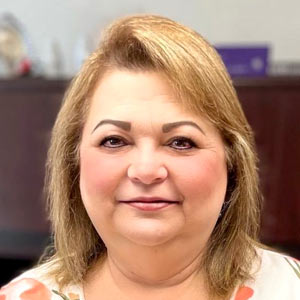
Nellie Ibarra
Nellie Ibarra is Director of Medical Staff Services & Risk Management at Mission Regional Medical Center. With expertise in healthcare operations, compliance, and patient safety, she focuses on strengthening governance, improving collaboration, and building systems that support quality care and organizational accountability.
My experience in medical staff services and risk management has shaped my leadership approach by reinforcing the importance of accountability, collaboration, regulatory compliance, and patient safety in every aspect of healthcare operations. Working closely with physicians, hospital leadership, nursing staff, and regulatory agencies has taught me that effective leadership requires balancing strong standards with professionalism, fairness, and open communication.
Balancing Compliance and Patient Care
One of the biggest challenges in managing risk while maintaining high standards of patient care and compliance is balancing regulatory requirements with the realities of day-to-day clinical operations. Healthcare organizations must meet strict standards from accrediting and regulatory agencies while still ensuring timely, compassionate, and efficient patient care. Achieving that balance requires strong communication, and consistent oversight. Another significant challenge is fostering a culture of accountability without creating fear among staff. Effective risk management depends on employees feeling comfortable reporting incidents, near misses, and concerns so that opportunities for improvement can be identified early. Leaders must encourage transparency and education while also addressing performance and behavioral issues appropriately and consistently.
Connecting Medical Staff and Operations
I focus heavily on organization, consistency, and regulator readiness. Ensuring provider files, licensure, certifications, and privileges are current and accurate helps prevent operational disruptions and supports patient safety. I also work closely with clinical leaders to address concerns proactively, whether related to physician conduct, documentation, quality metrics, or accreditation requirements. Ultimately, my approach is centered on transparency, accountability, responsiveness, and teamwork. By fostering open communication and maintaining a share focus on patient safety and quality care, I help ensure that medical staff services and clinical operations function cohesively and effectively.
Shaping the Future of Healthcare Governance
Several key trends are currently influencing risk management and governance in healthcare, and they are significantly reshaping how healthcare organizations operate, manage compliance, and protect patient safety.
One of the most significant trends is the increasing focus on cyber security and protection of patient information. Healthcare organizations are experiencing growing threats relate to ransomware attacks, data breaches, and vulnerabilities in electronic health record systems and connected to medical devices. As a result of cybersecurity is now viewed as a major governance and patient safety issue, not just an IT concern. Another major trend is the rapid integration of artificial intelligence a digital technology into healthcare operations. AI is being used in areas such as documentation, care coordination, compliance, monitoring, predictive analytics, and utilization management. While these technologies create efficiencies, they also introduce new governance concerns related to oversight, accountability, bias, transparency, and regulatory compliance.
"Effective risk management goes beyond compliance. It requires trust, transparency, and a shared commitment to protecting patients through every decision."
Building Strong Healthcare Leadership Foundations
My advice to professionals building a career in healthcare administration and risk management is to develop a strong foundation in healthcare operations, regulatory compliance, communication, and relationship building. Healthcare is a complex and constantly evolving environment, so success requires both technical knowledge and strong leadership skills.
First, take the time to truly understand how healthcare organizations function beyond your individual role. Learn about clinical operations, accreditation standards, quality improvement, medical staff governance, patient safety and reimbursement processes. The more you understand the interconnectedness of healthcare systems, the more effective you will be as a leader and problem solver.
Secondly, never underestimate the importance of communication and professionalism. Much of healthcare administration and risk management involves working collaboratively with physicians, nurses, executives, attorneys, regulatory agencies, and patients or families. The ability to communicate clearly, remain professional under pressure and navigate difficult conversations is critical.
I would also encourage professionals to become proactive rather than reactive. Strong risk management is built on identifying trends, improving systems, educating staff, and addressing concerns early before they escalate into larger issues. Attention to detail, consistency, and follow-through are essential qualities in this field.
Finally, lead with integrity and always keep patient safety at the center of your decisions. Policies, compliance, and operational goals are important, but the ultimate purpose of healthcare administration and risk management is to support safe, ethical, high-quality patient care while fostering a culture of accountability, respect, and continuous improvement.
The articles from these contributors are based on their personal expertise and viewpoints, and do not necessarily reflect the opinions of their employers or affiliated organizations.
