THANK YOU FOR SUBSCRIBING
Weekly Brief
Be first to read the latest tech news, Industry Leader's Insights, and CIO interviews of medium and large enterprises exclusively from Healthcare Tech Outlook


 Peter C. Watts, CEO and Co-Founder, Solutionize
In fact, according to a study published in the National Library of Medicine, patients with low or intermediate medication adherence have a 20 percent chance of being readmitted to the hospital within 30 days. This is compared to a 9.3 percent readmission rate for patients with high adherence.
 This is where “Intelligent Aftercare” becomes essential.
Solutionize is a healthcare technology company dedicated to transforming the post-discharge phase of patient care. Its innovative platform, TeamPatient®, redefines intelligent aftercare by enabling seamless collaboration between healthcare providers, insurers, families, and patients. By enabling continuous care coordination, TeamPatient® ensures that aftercare is more efficient and effective, improving long-term health outcomes.
“Our goal is to fill the space between discharge and recovery by equipping patient teams with an effective collaboration tool,” says Peter C. Watts, CEO and co-founder of Solutionize.
Streamlining Aftercare with Smarter and Collaborative Decision-Support Tools
TeamPatient®’s collaboration between different stakeholders addresses a critical gap. While each professional may have their own system to manage patient interactions, there is no unified system to manage the patient’s interaction with all of these disparate providers and caregivers.
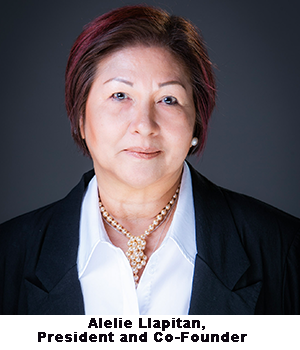
“The post-treatment phase of the journey is where most healing takes place and the collaboration and calendar tools of TeamPatient brings intelligence and efficiency to the aftercare process.” says Alelie Llapitan, president and co-founder of Solutionize.
 The open and cloud-based platform fills this space, offering a patient-centric approach that bridges gaps in care and empowers patients and their support networks to overcome the fragmentation of traditional healthcare systems.
In a way, the platform serves as an extension of the healthcare provider’s practice, acting as the “eyes and ears” of doctors after discharge. It allows medical professionals to monitor patient progress remotely and intervene when necessary, ensuring that patients do not fall through the cracks after leaving the hospital.
Another feature of TeamPatient® is its ability to facilitate real-time communication and information sharing among all members involved. This is done by creating personalized care groups that can update and share relevant information, set tasks and track the patient’s progress.
This continuous exchange of information ensures that every party involved is on the same page, helping prevent misunderstandings and gaps in care. For example, a cancer patient can have personalized groups for medical professionals (oncologists and primary care doctors), caregivers (family members or professional aides) and additional support (nutritionists, counselors or financial advisors).
The platform also records every communication, document and task which makes it easy to track the patient’s care over time. This ensures that medical histories, even from five to ten years ago, are readily available when seeking clinical trials or second opinions; and it reduces the need for the patient to repeatedly explain their condition.
The communications and workflow components of the platform also gives insurance companies a more proactive role in care, allowing them to make quicker and better decisions during the journey.
All this data fuels its ability to create and maintain a personalized digital game plan. This 360° plan acts as a roadmap for the patient’s recovery, organizing tasks, medications, appointments and progress updates in a centralized and easily accessible location.
For example, a patient recovering from substance use disorder might have a care plan that includes support groups, counseling, medication schedules and family check-ins, while a cancer patient’s care plan would focus on treatment regimens, follow-up appointments and symptom management.
This digital care plan is continuously updated as new information arises, making it easier to manage long-term care and reduce the burden on both the patient and their caregivers. It ensures compliance with the prescribed treatment and care strategies, while helping everyone involved stay organized and proactive by blending doctors’ orders into everyday life.
-
Our goal is to fill the space between discharge and recovery. We equip patients and families with effective collaboration tools and guide them through the unstructured post-treatment phase, where most healing takes place
This digital care plan is continuously updated as new information arises, making it easier to manage long-term care and reduce the burden on both the patient and their caregivers. It ensures compliance with the prescribed treatment and care strategies, while helping everyone involved stay organized and proactive by blending doctors’ orders into everyday life.
Beyond coordination, information sharing and digital care plans, TeamPatient® integrates intelligent data analysis to enhance the aftercare process. The platform can detect patterns in the patient’s health data and behavior, providing prescriptive guidance to prevent complications.
For example, the current analytics can identify early signs of a potential relapse in substance use recovery and alert caregivers, enabling them to take preventative action.
An Adaptive Healthcare Solution for Rapid Implementation
The platform’s approach to aftercare is innovative and practical. In a system where each provider or organization operates with its own disconnected processes and systems, TeamPatient® is deliberately designed as a “loosely coupled” platform. This design ensures scalability and flexibility, allowing it to aggregate all episodic electronic medical records (EMRs) and healthcare systems or operate independently, making it adaptable to diverse environments.
The impact of this adaptability is evident in real-life scenarios. For example, in one case, a leukemia patient used TeamPatient® for over five years to coordinate his care with a network of 50 caregivers, and multiple providers. The platform streamlined his care, saved his life on multiple occasions and gave him a sense of purpose and control over his health journey.
Another success story involves an ex-basketball player struggling with immobility and obesity after back surgery. The client leveraged TeamPatient® to coordinate care with dietitians, family advocates and medical professionals. Initially, he was the focus of the meetings, but by the end of the year, he was leading the discussions and becoming more proactive in managing his health. The result was him losing 120 pounds, regaining mobility, and rebuilding his confidence within 18 months.
This adaptability of TeamPatient® is further exemplified through its partnerships with community-based organizations (CBOs) like Think Pink Bahrain. These collaborations ensure that TeamPatient® resonates with diverse cultural and regional needs. In Bahrain, the platform is being targeted to align with the Ministry of Health’s cancer strategy of empowering patients with data on their own health history.
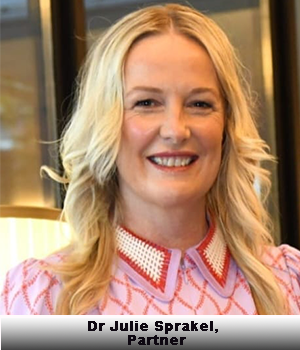
“This platform empowers patients to ask the right questions and take ownership of their care,” says Dr Julie Sprakel, founder of Think Pink Bahrain, an experienced business and philanthropic leader with a demonstrated history of working in the medical practice industry.
Collaborations like this exemplify Solutionize’s mission to make aftercare as patient-centered as hospital care. For organizations seeking a transformative partner in aftercare, the company offers not just a platform but a vision— one that ensures patients and their families are equipped to thrive in their journey toward recovery.
Company
Solutionize
Management
Peter C. Watts, CEO and Co-Founder, Alelie Llapitan, President and Co-Founder and Dr Julie Sprakel, Partner, Solutionize
Description
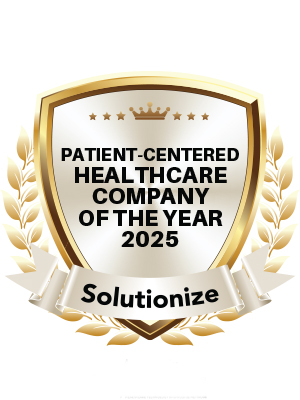
Solutionize has emerged with a patient-centered healthcare solution. The company’s mission is to redefine aftercare by leveraging technology and innovation to create a more connected and patient-focused healthcare ecosystem. Its innovative platform, TeamPatient®, is redefining aftercare by empowering patients and their support networks to foster smooth collaboration.