


THANK YOU FOR SUBSCRIBING
Weekly Brief
Be first to read the latest tech news, Industry Leader's Insights, and CIO interviews of medium and large enterprises exclusively from Healthcare Tech Outlook


 Gary Gottlieb, MD, MBA, Former CEO, Partners HealthCare System (now MassGeneral Brigham), Board Observer, Tausight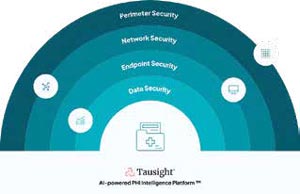
Unfortunately, the wonder of this digital transformation is severely tainted by the modest investments that we have made to protect the systems that we continue to build. As a result, our most precious personal secrets and our most valuable individual data are easily vulnerable to malevolent and predatory criminal interests.
The healthcare industry is experiencing a seismic increase in the frequency and severity of cyber-attacks: In 2023, the medical records of nearly 100 million Americans have been exposed illegally (source). Regulatory discipline, fines and class action suits pale relative to the potential loss of trust of our patients and our providers. As a former system and hospital CEO and trustee, it’s clear that cybersecurity is not only the purview of the IT or security department, it must be a priority for every hospital executive and board member.
The maturity of our efforts to protect personal health information (PHI) and other critical data lag far behind other industries. Banking, government and legal services have invested massively in cybersecurity. These industries focus on managing their data, centralizing it to a secure location, controlling devices via locking them down and changing the nature of access to the network. More than a decade ago, I began eight years of service on the Board of the Federal Reserve Bank of Boston. Even then, the Fed’s herculean efforts to protect our currency, our financial transactions and our information, for the government, as well as for the entire financial services industry, were far more advanced than the efforts currently in place and required in health care. Is health care’s mission and the human condition less worthy?
The challenge is that healthcare delivery is designed to be part of the community it serves, without real barriers to entry, every day, around the clock. That openness is intended, perhaps inadequately, to reflect an institution’s welcoming nature and inclusiveness. In a digital environment, there is increasing pressure on clinicians to be completely transparent and to respond almost instantaneously to the data that are now at their fingertips. These factors create significant vulnerability.
Traditional cyber approaches clearly are not working. We need to reimagine healthcare information security in a world of producers and protectors of data. A data-first approach needs to be considered in order to fundamentally transform how patient information is protected.
This new approach needs to combine a culture change with a technology change. When health system CEOs or operating officers sit with IT advisors, the security recommendations might feel alien to the healthcare ecosystem, as any intervention that further interrupts clinician workflows will severely burden providers and disrupt the provider/patient relationship. As we have done in efforts to improve patient safety, we need to create nearly seamless, clinician friendly approaches, where everyone who touches a keyboard (or a voice activated interface), is a well trained and empowered steward whose great skills and vigilance will reduce our collective vulnerability to cyber vandalism and attack.
If we can fight cybercrime with some of the same passion that we fight disease and disability, we can make a sustainable difference

This change in culture needs to be combined with technology that identifies and protects sensitive data as they are created, moved and stored - within the clinical workflow. As a board observer at Tausight, I’ve been so impressed to see how a new and greater awareness of PHI and data risk has energized health care leaders and their boards to prioritize these issues as they build their strategies. If we can fight cybercrime with some of the same passion that we fight disease and disability, we can make a sustainable difference.


Company
Tausight
Management
Gary Gottlieb, MD, MBA, Former CEO, Partners HealthCare System (now MassGeneral Brigham), Board Observer, Tausight
Description
Tausight was founded in 2018 by the co-founder and former CTO of Imprivata, David Ting, with the vision of reducing healthcare-specific cybersecurity incidents by simplifying the way hospitals and healthcare systems detect and manage PHI risk in today’s decentralized healthcare ecosystems. Applying breakthroughs in ML/Federated Learning and NLP, and a detailed understanding of clinical workflows, Tausight developed a revolutionary and affordable, PHI security intelligence platform


Tausight News
Tausight Features Patient Data Protection at HIMSS 2024

BOSTON - Tausight, the leader in patient data protection, today announced a collaboration with Dell Technologies to advance cybersecurity for the healthcare industry with a solution that gives healthcare organizations tools to monitor and protect their most sensitive data.
"We're proud to collaborate with Dell to give healthcare organizations immediate visibility and insight into sensitive data so they can detect, track, and respond to any activity," said David Ting, Founder and Chief Technology Officer at Tausight. "Customers will have the ability to scan and secure sensitive data across their entire infrastructure, which will help combat the cyber threat crisis in healthcare."
Customers that leverage Dell for their backup and recovery, a critical part of any cyber strategy, will now be able to easily scan their infrastructure for sensitive data, and ensure it is properly archived in air-gapped storage. This improves preparedness in the event of a cyberattack that results in encrypted or lost data. Clinicians using Dell PCs powered by Tausight Patient Data Protection™ will have live monitoring of sensitive data on their endpoints fed directly to IT and security teams so that anomalies or suspicious activity can be reviewed and remediated.