


THANK YOU FOR SUBSCRIBING
Weekly Brief
Be first to read the latest tech news, Industry Leader's Insights, and CIO interviews of medium and large enterprises exclusively from Healthcare Tech Outlook
Healthcare Tech Outlook: Specials Magazine
Jeenie
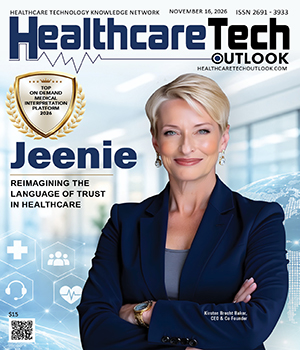
Reimagining the Language of Trust in Healthcare
A Guatemalan woman arrives at a California emergency room in severe pain and nearly collapses. The staff assumes she speaks Spanish. She does not, and no one in the room understands her. Unable to identify her language, the care team turns to Jeenie, a platform that connects clinicians directly with medically qualified human interpreters. Using language-identification techniques, Jeenie determines that she speaks Q’eqchi’, an Indigenous Mayan language. A physician places a phone on her chest as the team pushes the gurney toward the operating room. Within seconds, an interpreter is online, speaking to the patient. The patient is pregnant but didn’t know it. Hours of difficult labor follow. Jeenie brings in a second interpreter to provide relief, but the first also stays on the call throughout the delivery. The baby is born safely, and the mother is stable.
Healthcare Workforce Management
A healthcare organization was ready to replace its vendor management system to save five million dollars a year. What it had not fully considered was whether the software was the problem in the first place. Spending approximately $100 million annually on contingent labor, the organization had a significant opportunity to improve how it managed staffing, suppliers, and costs. SourceNow VMS proposed a different course: examine the workforce strategy before investing in another platform. Rather than replacing the existing system, the company helped the organization reshape its workforce strategy and reconfigure the software around it. According to Jean-Paul Renard, CEO, the exercise identified $25 million in savings opportunities, five times the original target. The customer subsequently signed a long-term contract with the company..
AI Nephrology Care Solution

Nephrolytics
Transforming Kidney Care Through AI-Driven Clinical Intelligence
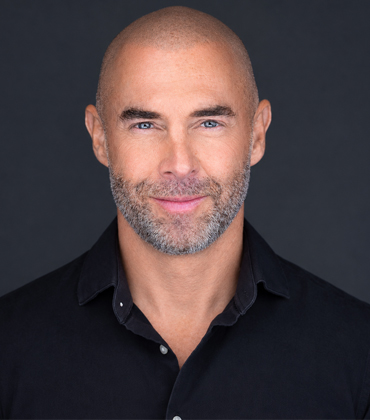
Dr. Fahim Rahim, MD, MBA, Nephrologist, Founder and CEO
Nephrolytics is redefining kidney care with a powerful point-of-care AI solution that empowers nephrologists and care teams to engage with clinical data more efficiently, improving workflow and elevating care quality at the bedside. Nephrolytics is a category-defining platform called Saya™ — the first-of-its-kind AiPOC: Agentic Infrastructure at Point of Care. While others build piecemeal features around static EMRs, Saya™ is purpose-built to transform how care is delivered at the moment it matters most. Point of care is where over 90 percent of medical decisions are made, but it’s also where clinicians face the greatest burden from fragmented systems, documentation overload, and lack of real-time insights. Saya™ acts as an intelligent operating layer on top of the EMR, delivering actionable, domain-specific support that enhances clinical judgment, streamlines workflows, and improves efficiency and outcomes. This isn’t just automation—its augmentation, and it represents a fundamental rethinking of the EMR paradigm. Built by practicing nephrologists, Nephrolytics’ flagship platform, Saya™, is tailored to the real-world demands of kidney disease management. Purpose-built for the specialty, Saya™ automates three of the most time-consuming clinical tasks, including data aggregation, integration, and documentation, which can consume up to 75 percent of a clinician’s time. By streamlining these processes, Saya™ enables clinicians to focus more on patient care, reducing administrative burden and helping prevent burnout. The need for such a solution is particularly urgent in nephrology, where clinician shortages are growing. Nearly 40 percent of nephrology fellowship positions go unfilled, even as the number of patients with chronic kidney disease continues to climb. Nephrolytics focuses on this field not only due to its domain expertise but because of nephrology’s inherently complex and data-intensive nature. Saya™ helps bridge the gap between rising care demands and a shrinking workforce. “While others offer piecemeal tools like scribes or analytics, we are the only full-stack AI or agentic solution dedicated to kidney disease care, built specifically for the nephrology workflow,” says Dr. Fahim Rahim, MD, MBA, nephrologist, founder and CEO of Nephrolytics.
Healthcare AI
AI in Radiology: Impact on Workflow, Precision, and Efficiency in Breast Imaging
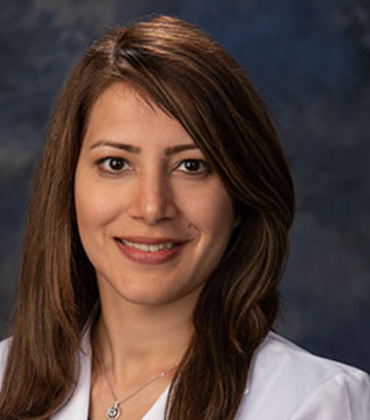
Dr. Azadeh Elmi, MD, Associate Medical Director, Eisenhower Health
Medical Practice Management
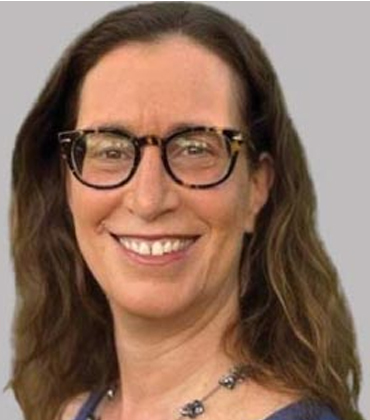
Strategically Reshaping Healthcare Branding and Communications
Karen Wish, Vice President, Chief Marketing Officer and Strategic Communications Lead, Mount Sinai Health System
Patient Engagement
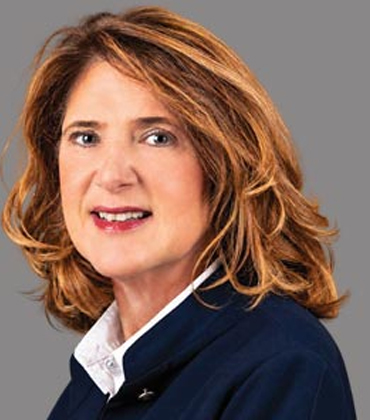
Gratitude as a Leadership Strategy for Workforce Resilience
Tammy Aiken, DNP, RN, SANE, Director of Patient Experience, Mohawk Valley Health System

Driving Efficiency through Innovation and Collaboration
Matthew Wisniewski, Director of Procurement, Bethesda Health Group
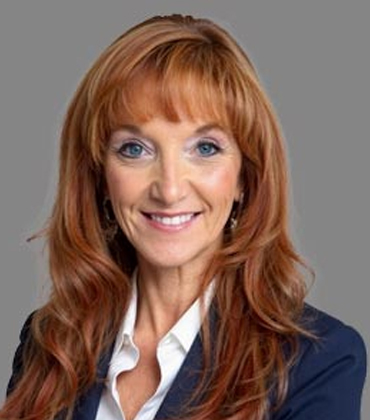
Strengthening Healthcare Compliance through Accountability and Innovation
Stephanie Fakier, MHA, CHC, CHPC, Senior Vice President of Compliance, HopeWest
IN MY OPINION
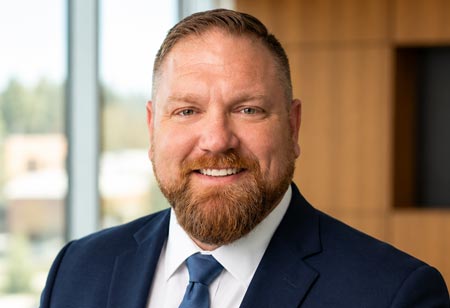
Strengthening Patient Safety Through Smarter Healthcare Operations
Douglas M. Hollander, Chief Nursing Officer, Mad River Community Hospital

LAST WORD
Making Data the Foundation of Imaging Excellence
Lois Eldridge-Lee, Imaging Director, Samaritan Healthcare
IN FOCUS

Empowering Healthcare Providers through Innovative Staffing Solutions
Digital workforce planning helps healthcare providers improve staffing coordination, control labor costs, strengthen compliance and support employee satisfaction.
Healthcare Critical Communication: Supporting Smarter and Safer Patient Care
Healthcare critical communication solutions improve patient safety, emergency response, clinical coordination and operational efficiency through secure messaging, intelligent systems and digital technologies.
EDITORIAL
Building Trust through Healthcare Innovation
Technology can help more people get care, support workforce decisions and keep patients engaged. But good care still depends on human judgment. In this edition of Healthcare Tech Outlook, we look at how advances in medical interpretation and workforce management are helping organizations find that balance.
Our cover story features Jeenie, recognized as Top On-Demand Medical Interpretation Platform 2026. It brings together AI and human medical interpreters to help people understand each other. Where the conversation is complex or sensitive, a human interpreter is always on board. The platform can connect users with interpreters in hundreds of spoken and sign languages with an average response time of just eight seconds. It's all about responsible AI, language expertise and escalation to build trust in situations where clear communication can make all the difference to patient care.
The edition also highlights SourceNow VMS, named Healthcare Workforce Management Software of the Year 2026. The company combines workforce strategy, internal talent optimization, supplier competition and AI-driven insights to help healthcare organizations manage contingent labor more effectively. Its approach begins with understanding workforce needs before configuring technology, while features such as internal resource pools, credential tracking and supplier competition support better staffing visibility and cost control.
Our contributors bring valuable perspectives on the human dimensions of healthcare transformation. Tammy Aiken, DNP, RN, SANE, Director of Patient Experience at Mohawk Valley Health System, emphasizes gratitude as a practical leadership strategy for workforce resilience, retention and team stability. Karen Wish, Vice President, Chief Marketing Officer and Strategic Communications Lead at Mount Sinai Health System, examines how empathy, data and strategic communication can strengthen patient engagement, employee alignment and organizational trust.
Together, these perspectives show that meaningful healthcare technology must advance efficiency without losing sight of communication, trust and human connection.
