THANK YOU FOR SUBSCRIBING
Weekly Brief
Be first to read the latest tech news, Industry Leader's Insights, and CIO interviews of medium and large enterprises exclusively from Healthcare Tech Outlook
A featured contribution from Leadership Perspectives: a curated forum reserved for leaders nominated by our subscribers and vetted by our Healthcare Tech Outlook Advisory Board.

Remo Health
How Telehealth and Innovative Partnerships are Reshaping Dementia Care
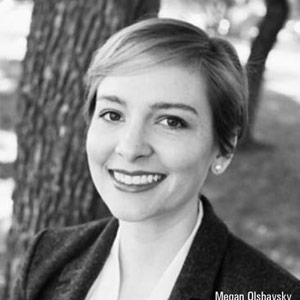
Megan Olshavsky
Dr. Megan Olshavsky is the Director of Business Operations & Government Programs at Remo Health, where she drives initiatives that enhance healthcare delivery through strategic partnerships and innovative programs. With extensive experience in healthcare operations, benefits and insurance, and population health, she is dedicated to transforming healthcare systems to better serve communities. Dr. Olshavsky earned her Ph.D. from The University of Texas at Austin and is actively engaged in advancing dementia care, particularly in rural areas, through programs such as CMS’s GUIDE initiative. Her work focuses on expanding access and improving outcomes for underserved populations.
The emotional toll on families caring for a loved one living with dementia is devastating. Nearly 60 percent of family caregivers report serious emotional stress, and 74 percent of dementia caregivers say they are concerned about maintaining their own health. On top of that, the average lifetime cost for dementia is over $400,000, leaving most families to contend with the staggering price tag of diagnosis and disease management.
For many families, the very first step in the dementia journey – getting a diagnosis – is a huge challenge. Getting properly diagnosed often takes over two and a half years. This delay in diagnosis robs families of the time to process, prepare and honor their loved one’s wishes including financial, healthcare directives and end-of-life care. Instead, families are forced to scramble and manage daily crisis situations alone, in a system that was not built to support the ever evolving stages of dementia.However, we’re at an important inflection point; the tide has turned, and we’re now seeing a tectonic shift in how public and private stakeholders are starting to approach dementia care.
Regulatory Reform Drives New Momentum for Dementia Care
The Centers for Medicare & Medicaid Services (CMS) has launched a first-of-its-kind payment model called GUIDE. The GUIDE model incentivizes providers to deliver comprehensive dementia care and provide transformative support to family caregivers. The program makes this type of care free to Medicare beneficiaries nationwide, with the explicit goal of helping families age in their homes for as long as possible.
Remo Health is one of fewer than 400 GUIDE participants selected nationwide. Our care model centers around both the person living with dementia and their family caregiver(s)—the dyad. We take a compassionate, whole-person approach that recognizes the medical and social needs of both people. We use telehealth to bring the village of care directly to families and work with community-based organizations for any local services that need to be delivered in person.
Innovative health systems are starting to partner with GUIDE participants to make this type of dementia care available to their patients. Similarly, Medicare Advantage plans are highly motivated to work with partners that can help screen, diagnose, treat and manage all types of dementia and support caregivers. Reducing the overall cost of care benefits the checkbooks of families nationwide and insurance companies at an enterprise level. GUIDE gives these organizations the playbook for what interventions work and how we should deploy them to deliver improved health outcomes for our nation’s older adults.
“We’re at an important inflection point; the tide has turned, and we’re now seeing a tectonic shift in how public and private stakeholders are starting to approach dementia care.”
Caring for Patients beyond Clinic Walls
In July, Remo Health announced our joint effort with the Cleveland Clinic Medicare Accountable Care Organization (ACO). This groundbreaking collaboration enhances the clinic’s offerings and provides more access to personalized specialty dementia care, especially for people in rural populations.
Via telehealth, families who live hours away from a specialist or health system can now access world-class care from Remo’s interdisciplinary care team—acting as an extension of the ACO. Thesefamilies can also now receive educational tools and a supportive community network of nearly 25,000 peers who are also also navigating this condition’s often difficult experiences.
Telehealth is especially impactful for families managing dementia’s toll on their everyday lives. Many of the caregivers Remo serves are part of “the sandwich generation”—meaning they’re raising their own children while also caring for an aging parent. These caregivers are balancing work, the demands of caregiving for a parent living with dementia and the needs of their growing children. Telehealth eliminates the need for traveling to a doctor’s appointment and avoids disruption to their work schedules and caregiving routines.
On-demand guidance and 24/7 access to an interdisciplinary care team meaningfully reduce caregiver burden—one of the leading causes of preventable hospitalizations for people living with dementia. When caregivers burn out, they’re 73% more likely to take their loved ones to the emergency room. Keeping dementia patients safe at home and out of the hospital is a winning strategy for health systems, health plans and families. Avoidable emergency room visits take a serious toll on people living with dementia, negatively impacting their physical and mental state, often causing their overall health to decline. Remo’s care model reduces the likelihood of these unnecessary visits and the adverse effects that can follow an unnecessary hospitalization.
What’s Ahead? We Need Collective Action
Ultimately, the future of dementia care relies on strategic partnerships. We work with health systems, health plans and community-based organizations, delivering comprehensive care to patients while supporting their family caregivers.
The GUIDE model is paving the way for nonprofits, advocacy groups and private payers to take a giant leap forward. We’re already seeing an increase in Medicare Advantage plans investing in early detection and wraparound care management for this population. Innovative plans recognize the need toadd on caregiver support benefits ahead of the 2026 plan year.
My prediction is in the future, more organizations will provide the wraparound support resources needed to diagnose and manage dementia and, in turn, see tremendous savings around the total cost of care for this historically expensive population.
A higher standard of care and comprehensive family support fundamentally raises the bar for the entire healthcare ecosystem. It ensures that patients and their families have access to high-quality specialty dementia care, no matter where they live – that’s a winning solution for health systems, health plans, and families alike.
The articles from these contributors are based on their personal expertise and viewpoints, and do not necessarily reflect the opinions of their employers or affiliated organizations.