THANK YOU FOR SUBSCRIBING
Weekly Brief
Be first to read the latest tech news, Industry Leader's Insights, and CIO interviews of medium and large enterprises exclusively from Healthcare Tech Outlook
A featured contribution from Leadership Perspectives: a curated forum reserved for leaders nominated by our subscribers and vetted by our Healthcare Tech Outlook Advisory Board.

American Addiction Centers
Recovery, Leadership, and the Courage to Be Seen
Suffering in Silence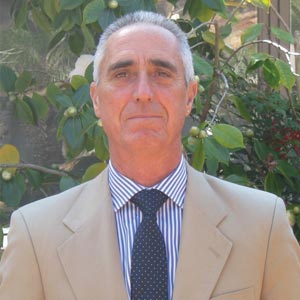
Philip M VanGuilder
For many people, recovery begins long before they ever ask for help. It begins in silence.
As a first-generation American, I grew up in an environment where talking about emotional struggles was not part of the conversation. When I experienced uncertainty, fear or unusual thoughts, I didn’t know who to turn to. My family moved frequently, and while I made friends easily, those relationships rarely went beyond the surface. I wanted people to like me and think highly of me. Admitting weakness or acknowledging fear felt impossible.
That pattern followed me into the Army.
During my ten years of military service, I witnessed countless people carrying burdens they never spoke about. I was one of them. I built friendships, but never truly allowed myself to be vulnerable. Like many members, I believed that strength meant carrying everything alone.
One memory stands out. I was on a night watch outside a remote forward operating base, talking with one of our military dog handlers. Leaning against a wall under the darkness of the night, I admitted something I had never shared before—I felt alone, and I was afraid.
To my surprise, he looked at me and said he felt the same way.
In a decade of military service, that may have been the only time I openly shared my fears with another person. The experience taught me that people are often suffering in silence due to fear of judgment.
That lesson continues to shape my approach to supporting individuals on their recovery journeys today.
Addiction Is Not a Moral Failure
Despite the progress we have made in understanding mental health and addiction, many misconceptions remain. Perhaps the most damaging is the belief that addiction is a moral failing.
For many of us, addiction was the solution. Alcohol gave me courage when I lacked confidence, and comfort when I felt isolated. It quieted the noise in my head when I didn’t know how to cope. In many ways, my addiction seemed to understand me when I believed no one else could.
Until it stopped working.
People often ask why someone does not ‘just stop’ drinking or using substances. The truth is that addiction is rarely that simple. For those who suffer, substances often become the only coping mechanism they know. Telling someone to say ‘no’ overlooks the complexity of the pain they are trying to escape.
I have often said that I did not have a drinking problem.
I had a thinking problem, and alcohol was how I managed it.
People struggling with addiction are not bad people trying to become good. They are individuals living with an illness who deserve the opportunity to recover. The most powerful thing a leader can say is not ‘Just quit.’ It’s ‘I'm here to listen. Tell me what's going on.’
The Power of Example
One of the greatest leadership lessons I have learned is that people are influenced far more by what we do than by what we say.
When I first attended an AA meeting, I immediately convinced myself I did not belong. I hadn't lost my home or family. I was paying my bills and maintaining a career. I considered myself a ‘functional alcoholic.’
Then I noticed a young woman celebrating thirty days of sobriety.
I thought, ‘I’ll probably never make it six months. But if she can make it thirty days, maybe I can too.’ Thirty days later, she celebrated sixty days. Again, I thought, ‘I may never make it nine months, but I can make it sixty days.’
That became my recovery journey—one day at a time.
What gave me hope was watching ordinary people do something I thought was impossible. A year later, I reached my first sobriety anniversary. When I missed the celebration meeting, my sponsor asked where I had been. I told him I don’t need recognition for staying sober.
His response changed my perspective forever.
‘This is not about rewarding you,’ he said. ‘It’s about showing the next person that it’s possible.’
In that moment, I understood. Recovery is not just about what we receive. It's about what we give back. Someone kept a seat open for me when I needed it, and I have the responsibility to make sure there's a seat available for the next suffering person.
A Different Conversation
One of the most encouraging changes I have seen is that people are finally talking openly about mental health and recovery.
Recently, while ordering coffee, a young woman noticed the name badge I wear that reads ‘Incurable Phil.’ She asked about it, and I shared the story behind the nickname, which originated in recovery meetings.
When I finished, she smiled and said, ‘Good for you.’ It was a brief interaction, but there was no judgment or discomfort, just acceptance.
I wear my recovery openly as I no longer believe I need to hide it. Recovery and mental illness are part of my story, but they do not define me. I manage my disease rather than allowing it to manage me.
“The most important lesson I have learned is that helping others is not about having the right words, but about being present.”
A good day for me is one where I don't criticize, condemn or complain. A great day is one where I resist the urge to give unsolicited advice. The best days are the ones when I don't judge others at all. We are moving toward a culture where honesty about mental health is met with compassion rather than stigma.
Giving Hope
The most important lesson I have learned is that helping others is not about having the right words, but about being present.
Presence listening with an open mind, hearing what someone is struggling to say and creating a safe space free from judgment. The greatest gift we can offer someone in recovery is understanding.
When people feel heard, they begin to feel less alone. When they feel less alone, they begin to believe recovery is possible. And when they begin to believe recovery is possible, hope takes root, which may be the most powerful form of healing.
The articles from these contributors are based on their personal expertise and viewpoints, and do not necessarily reflect the opinions of their employers or affiliated organizations.