


THANK YOU FOR SUBSCRIBING
Weekly Brief
Be first to read the latest tech news, Industry Leader's Insights, and CIO interviews of medium and large enterprises exclusively from Healthcare Tech Outlook
Healthcare Tech Outlook: Specials Magazine

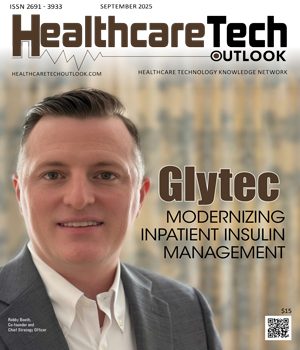
Glytec
Modernizing Inpatient Insulin Management
Glytec is setting new standards for inpatient diabetes care with its FDA-cleared, cloud-based insulin management software, as part of a technology platform that delivers individualized dosing recommendations, real-time surveillance, predictive analytics and enterprise-wide visibility. This helps care teams proactively identify and act on glycemic risks—resulting in fewer complications and better outcomes for patients. Fully integrated with the EHR and grounded in rigorous clinical evidence, Glytec embeds intelligent insulin management directly into clinical workflows. It equips care teams with real-time personalized decision support at the point of care, helping them act faster, reduce variability, and improve safety across the inpatient journey. “Our goal has always been to bring safety, precision, and real-time decision support to one of the most under-managed and dangerous therapies in the hospital,” says Robby Booth, co-founder and chief strategy officer. This impact is driven by two powerful tools at the heart of the platform: Glucommander®, the insulin dosing software trusted by hospitals nationwide, and the Glytec Command Center, a first-of-its-kind, AI-powered intelligence and coordination layer for glycemic management. Supporting this technology is a robust partnership model built for long-term impact. Hospitals benefit from a scalable support system that includes 24/7 U.S.-based clinical and technical assistance, expert-led implementation, ongoing training and a structured approach to quality improvement. Backed by more than 100 patents, hundreds of scientific publications, and decades of hands-on experience, Glytec offers both the validation and expertise hospitals need to drive lasting change. Today, more than 400 hospitals rely on Glytec to manage diabetes safely and consistently across their inpatient populations, a reflection of its proven results and sustained value. Scaling Safer Diabetes Care Although nearly 40 percent of hospitalized patients require insulin, which is one of the highest-risk medications in hospitals, many care teams still rely on outdated protocols and fragmented workflows. Too often, people living with diabetes share troubling stories from hospital stays—a missed insulin dose, a blood sugar crash no one caught, or a complication that could have been avoided.
Top Healthcare Delivery Solution 2025
Physician Care Coordination Consultants
Closing the Gaps in Healthcare Reimbursement
Dr. Karan Shah, Managing Partner
Physician Care Coordination Consultants (PC3) is transforming the healthcare revenue cycle by shifting the focus from denial management to denial prevention. Through physician advising, clinical documentation improvement, denials management, utilization review, data analytics and internal team coordination, it closes gaps early and ensures claims are accurate and defensible before reaching payers. This comprehensive approach is made possible by a bench of seasoned hospital leaders, physicians and revenue cycle experts, each bringing over 20 years of certified, frontline experience. The experienced, mission-aligned team is committed to excellence and integrity and stays involved from the first client conversation through the full execution of services. They handpick teams with a history of directing core hospital functions to craft solutions that match the pace and pressure of real care settings. “We understand the hospital environment because we’ve lived it,” says Dr. Karan Shah, Managing Partner. “That’s what allows us to deliver solutions that actually work in the real world.” But PC3’s strength doesn’t stop at the provider side. Just as crucial is its deep understanding of what payers look for. This dual perspective enables it to design interventions that help fix breakdowns leading to denials. The same pragmatic approach extends to how PC3 engages with clients. Services are unbundled and cost-transparent, ensuring hospitals only pay for what they use, whether that’s a review, peer-to-peer or appeal letter. Many begin with targeted support, such as documentation assessments or denial resolution, and expand after seeing measurable results. Real-World Solutions for Frontline Challenges PC3’s impact becomes especially clear when viewed through the day-to-day challenges hospitals face. When hospitals go unpaid for services already delivered, the ripple effects can include delayed treatments, reduced capacity and patients being forced to seek care farther from home. To stabilize the revenue cycle, PC3 intervenes early with practical, prevention-focused solutions. Real-time physician advising ensures accurate patient status at the point of care, avoiding one of the most common denial triggers. If a denial occurs, the team analyzes root causes, resolves the issue, and reinforces processes to prevent recurrence. The team also reduces physicians’ administrative burden by managing reviews and peer-to-peer communications, allowing them to focus on patient care.

Top AI Based Healthcare Solution 2025

In highly regulated sectors like healthcare, where accuracy, privacy and compliance are non-negotiable, general-purpose AI models fall short. Precisely why John Snow Labs has developed smaller, task-specific language models that outperform systems like GPT4.5 and Claude 3.7 on healthcare-related tasks. “Our focus on healthcare means we can deliver AI that meets the industry’s highest standards for safety, accuracy and trust,” says David Talby, CEO. Designing AI That Understands Medicine John Snow Labs’ Medical LLMs suite is purpose-built for clinical, biomedical and life sciences applications, delivering best-in-class performance across tasks such as clinical reasoning, diagnostics, medical research comprehension and genetic analysis. Validated by peer-reviewed studies for state-of-the-art accuracy in medical language understanding, these models meet the strict security and compliance needs. Alongside its flagship LLMs, the company offers over 2,500 pre-trained medical language models covering common clinical and life sciences tasks, used by leading pharmaceuticals, healthcare systems, government agencies, academic medical centers and health IT companies These models outperform general-purpose alternatives by 5 to 10 percent on benchmarks like summarization, medical question answering, and information extraction. This comes from using curated biomedical data and domain-specific tuning instead of the broad training data common to internet-scale models. The result is improved factuality, relevance and safety, reflected in reduced error rates, adherence to medical standards and strong protection of sensitive information.
Top Radiology and Imaging Solution 2025
At the heart of Radiocare's operations is its team of highly skilled, board-certified radiologists who employ cutting-edge technology to ensure rapid and precise interpretations. The company’s commitment to improving the overall patient journey is evident in its seamless integration of Radiology Information Systems (RIS) and Picture Archiving and Communication Systems (PACS). By leveraging these technologies, Radiocare enhances operational effectiveness, streamlines workflows, and improves the efficiency of radiology departments. This integration allows for a smooth flow of information between healthcare facilities and Radiocare's specialists, ensuring that patients receive the care they need when they need it. Radiocare addresses significant barriers to timely and accurate diagnoses by offering remote access to a team of experienced radiologists. This model provides tailored solutions that optimize service delivery while reducing costs. The company’s expertise, combined with its deep understanding of both markets, enables it to meet the distinct needs of each healthcare setting. Whether serving regional hospitals or specialized clinics, Radiocare’s flexibility ensures that every partner receives a solution designed for their operational requirements. The company’s emphasis on high-quality, timely medical imaging reports sets it apart from competitors. It has invested heavily in technologies that allow it to provide 24/7 service availability, with at least 85 percent of interpretations delivered in accordance with its rigorous standards. Radiocare’s robust technology platform, which incorporates artificial intelligence (AI), ensures that studies are interpreted with high accuracy, reducing diagnostic errors and improving patient outcomes. AI tools play a pivotal role in the company's operations by enhancing diagnostic quality, prioritizing urgent cases, and optimizing radiologist productivity. These advancements, combined with Radiocare's peer review processes and continuous quality improvement initiatives, have resulted in a diagnostic accuracy rate of 98 percent, helping healthcare providers strengthen both patient care and commercial performance.

Top Automated Medical Billing Software 2025

Healthcare organizations are under pressure like never before—staffing shortages, rising denials, and increasingly complex payer rules strain providers and patients alike. While many technology companies chase flashy “innovations” that look good in strategy decks but fail to deliver in practice, ImagineSoftware takes a different approach: listening first, innovating smarter, and building solutions that create lasting impact. For ImagineSoftware, disruption isn’t about chasing buzzwords—it’s about trust, collaboration, and purpose-driven progress rooted in real customer needs. Rethinking Revenue Cycle Management ImagineSoftware is more than a billing software provider—it’s a trusted technology partner pioneering the future of revenue cycle management (RCM). Its flagship platform, ImagineOne, delivers a unified, end-to-end RCM experience that scales with high-volume physician groups, independent practices, and billing companies across the U.S. From pre-service through final payment, ImagineOne streamlines the entire revenue cycle in one platform. With intelligent automation at its core, the system reduces errors, accelerates workflows, and delivers real-time visibility through unified dashboards. A key innovation is ImagineCo-Pilot, an AI-driven tool integrated seamlessly into the platform. By automating repetitive and error-prone tasks such as claims processing and denial management, Co-Pilot resolves denials with more than 95 percent accuracy, freeing billing teams to focus on higher-value work while empowering leaders with actionable insights. “We believe technology should adapt to our clients, not the other way around,” says Sam Khashman, President and CEO. “Our goal is to simplify RCM with flexible, intelligent solutions so providers can focus fully on care delivery and growth.” Proof in Performance ImagineSoftware’s growth has been fueled not by hype, but by deep partnerships and measurable outcomes.
Top Clinical Trial Pharmacy Software 2025
McCreadie Group
Advancing Clinical and Academic Pharmacy through Seamless Automation
Sara Brueck Nichols, President
McCreadie Group was founded over two decades ago by Scott McCreadie, a pharmacist with deep technical expertise, to address the operational challenges of research pharmacies. Today, the company continues to build on this vision, developing practical tools that help investigational drug services (IDS) sites operate more efficiently while advancing medical research. McCreadie Group’s flagship cloud-based software, Vestigo®, enables research pharmacies to move beyond paper logs and homegrown systems and adopt automated solutions tailored for their workflows. Designed with interoperability in mind, Vestigo® can integrate seamlessly with electronic health records, clinical trial management systems and drug ordering platforms, creating an ecosystem that eliminates silos and improves data flow. This flexibility aligns with the growing emphasis on scalable, interoperable systems that support broader institutional goals. Every member of McCreadie Group’s Customer Success team is a pharmacy technician with investigational drug study experience who has previously used Vestigo® in research institutions. They leverage this first-hand expertise to work with clients as trusted peers, bringing an in-depth understanding of research pharmacy to every interaction. “We invest in highly skilled professionals to help clients adopt and maximize Vestigo®. Their hands-on research experience allows them to provide guidance that meets client specific needs,” says Sara Brueck Nichols, president. With public funding for clinical trials and academic medical institutions declining even as research protocols are increasing in complexity, research pharmacies are asked to do more with less. Compliance requirements remain high, yet many still manage critical inventory tasks, from tracking stock levels and expiration dates to maintaining documentation and processing product returns. These manual paper-based methods slow operations, increase the risk of errors, consume valuable space and make report readiness challenging. Vestigo® streamlines workflows in a single automated platform, enabling efficiency, accuracy, integration and audit-readiness. Vestigo® handles inventory, protocol tracking, compliance and documentation, automating tasks to help IDS teams run more trials with fewer resources. Remote trial monitors or preceptors securely review approved data, speeding approvals and strengthening compliance. Clients report a 50 percent reduction in binder storage and a 95 percent reduction in logging time, critical metrics increasingly important in resource-constrained research organizations.

Top Health IT Talent Management Platform 2025
From EHR overhauls to AI in clinical workflows, hospitals face a flood of IT projects. The challenge is a shortage of specialists to deliver them. The work is complex, time-sensitive and usually handled by contractors: consultants, developers and architects with the skills health systems urgently need. Yet most hospitals still rely on the traditional staffing-agency playbook. That means inflated rates, weeks-long delays before interviews and little visibility into who is being hired or why. That’s the model Revuud set out to disrupt. Its AI-assisted talent management platform gives hospitals direct access to thousands of pre-vetted IT specialists, matches roles in minutes and manages hiring, onboarding, tracking and payments in one place—with no hidden fees. “It was clear the process was disjointed. Finding and onboarding contractors was too manual and the cost of a mishire could derail an entire rollout,” said Dan Schubert, CEO. “We knew software could simplify the journey, so we built it.” The results speak for themselves. One health system needed 30 contractors for an 18-month hospital acquisition project. They filled the majority of roles through Revuud instead of using multiple staffing firms, hired within days, saved up to $25 per hour and launched the project on time. The total savings: $1.5 million on a single initiative. Here’s how it works. When a health system signs on, its hiring team is onboarded to Revuud’s platform. From there, they can access thousands of pre-vetted consultants, from Epic and Oracle Health specialists to cybersecurity and data experts. Hiring managers post what they need and Revuud Scout™ ranks candidates by relevance, real-time availability and verified credentials—so teams see only qualified matches. Consultants are notified within minutes and can be invited to apply immediately. Revuud supports interviewing, contracting with the talent via automated statements of work and onboarding through digital forms and background checks. Every contractor’s profile, availability, project history, performance notes and rates remain in one system, creating a single source of truth for contingent labor. The benefits compound with every project. Once consultants prove themselves, they can be re-engaged with a click, with no need to repost, re-screen, or renegotiate. Hospitals see exactly who they’re hiring, what they’re paying and the value they’re getting. Consultants benefit too: they choose the projects that fit them best, set their own rates and work with clients who value transparency.
Patient Monitoring
Artificial Intelligence in Healthcare – The Holy Grail or a Flash in the Pan?
Shelly Nash, DO, FACOOG, ABPM-CI, Senior Vice President, Chief Medical Information Officer, Fresenius Medical Care, North America
Patient Monitoring

Trends Impacting Medical Billing Space
Tami McMasters Gomez, Director, Coding and CDI Programs, UC Davis Health
Patient Monitoring

Inpatient Interdisciplinary Care Model with Pharmacy: Revisiting the Traditional Roles of Clinical Team Members
Lisa Boothby, Director of Pharmacy Services, Ochsner Health
EMR-EHR

Innovating the Healthcare Industry with Telehealth Technologies
Jennifer Gamm Ruschman, Assistant Vice President, Digital Health, Cincinnati Children's
Patient Monitoring

Food as Medicine: A Treatment for Diabetes
Dr. Jospeh Webb. D.Sc. FACHE, Chief Executive Officer, Nashville General Hospital
Patient Monitoring

Intersection of AI and Patient Safety to Improve Healthcare Efficiency
David Kaelber, Chief Health Informatics Officer, The MetroHealth System
Patient Monitoring
How AI and Empathy Shape Healthcare Innovation
Andrew Hohwald, Director of Product Strategy, Care Transformation & Innovation, HCA Healthcare
Patient Monitoring
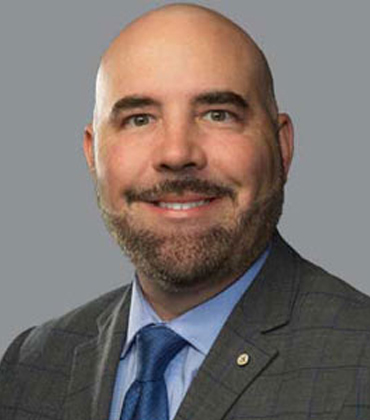
Navigating Leadership and Innovation in Radiology
Ryan Garland, MHA, AVP- South Region Radiology & Respiratory, Edward-Elmhurst Health
Patient Monitoring
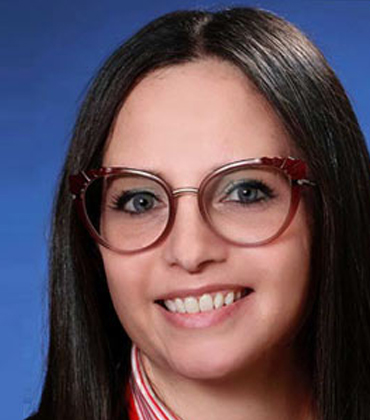
Nurturing Talent and Ensuring Well-Being: A Holistic Approach to Healthcare Leadership
Michelle Miller, Vice President & Chief Human Resources Officer, Carson Tahoe Health
IN MY OPINION
Patient Monitoring
A 15-Year Journey in Medical Imaging and Healthcare Leadership
Zach Seow, MBA, CRA, R.T.(R)(CT)(MR)(ARRT), Director of Radiology Operations, IS, & Strategy, Stanford Children's Health

LAST WORD
Healthcare Risk and Compliance
Bridging the Gap between Technology Innovation and Patient Experience Excellence
Jennifer Dzendzel, Director, Patient Access, Financial Counseling and Estimates, UVA Health
IN FOCUS
Unlocking Revenue Potential: The Automation Revolution in Medical Billing
Automated medical billing is advancing through AI and cloud innovations, addressing integration and workforce challenges while unlocking efficiency, accuracy, and new revenue opportunities for healthcare organizations and billing stakeholders.
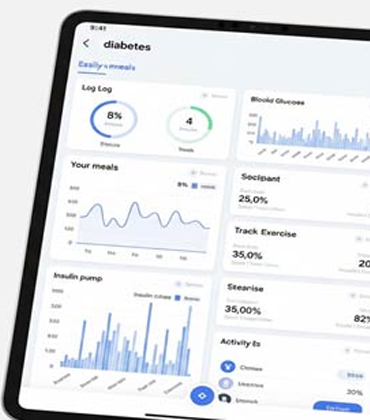
Breaking Barriers: Advancements in Digital Diabetes Management Solutions
Diabetes management platforms integrate real-time monitoring, predictive analytics, and personalized tools to enhance care. These digital systems improve patient outcomes, support remote management, and drive data-informed strategies.
EDITORIAL
Ushering In a New Era of Healthcare
The healthcare landscape is evolving at a rapid pace, with technology driving how care is planned, delivered and experienced. Hospitals, clinics and research centers are using digital platforms to manage data, connect teams and improve patient journey. The change is less about replacing human expertise and more about creating a framework where people and technology work side by side to make care faster, more reliable and easier to access.
Clinical trial pharmacy and automated medical billing software show how digital tools are reshaping critical areas of healthcare that were once labor-intensive. In research, pharmacy platforms bring structure to drug management and keep trials consistent across sites while meeting compliance needs. Automated billing software reduce errors, speed up reimbursements and strengthen provider finances. Together, they turn time-consuming manual work into streamlined processes that let professionals concentrate on patients and therapies.
Another piece of the puzzle is talent. Healthcare IT talent management platforms are giving providers a way to find, train and keep skilled people who can work with these new systems. As adoption accelerates, organizations need staff that can adapt quickly and stay current. Strong technology only delivers results if the workforce behind it is ready to use it well, which makes talent strategy inseparable from digital strategy.
Radiology and imaging solutions, AI-based platforms and healthcare delivery systems are increasingly working together to shape patient experience. Imaging advances are redefining how conditions are identified, AI is helping clinicians detect risks earlier and delivery platforms are tying together services from telehealth visits to coordinated care models. The result is a robust, connected system with a stronger focus on patient needs.
In this edition of the Healthcare Tech Outlook, we highlight developments in clinical trial pharmacy software, automated billing, health IT talent management, radiology and imaging, AI-driven platforms and delivery systems that are redefining the future of care.
We hope this edition of the Healthcare Tech Outlook helps you find the right partner for your business requirements.
